How to Find Reliable Suppliers in China? Guide 2026
Finding a reliable supplier in China is one of the most difficult stages of importing — especially for companies doing it for the first time or entering a new product category. In this article we describe the proven verification methods we use ourselves, built over more than 25 years of experience.
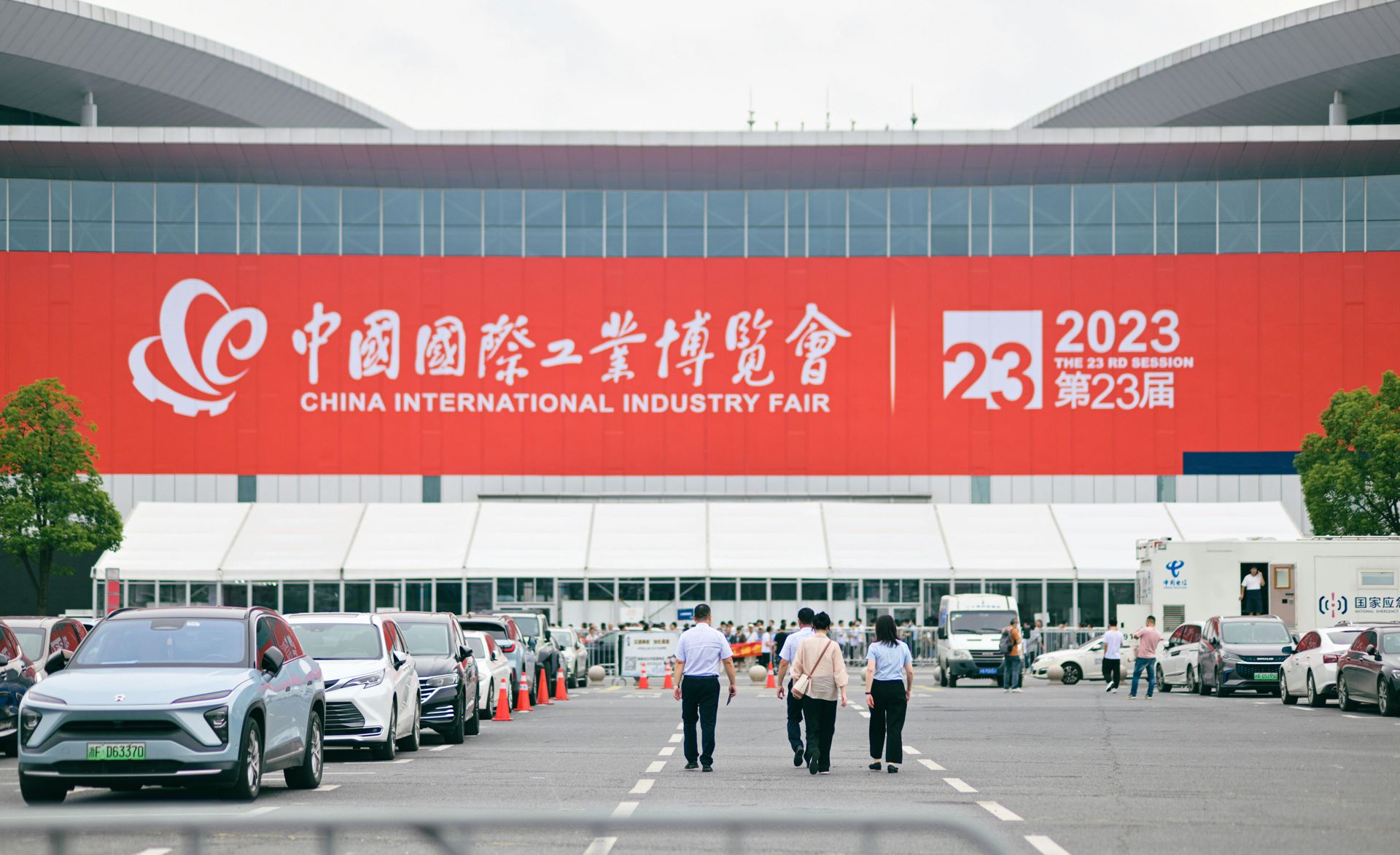
Step 1: Where to find Chinese suppliers? Alibaba (alibaba.com) — the largest B2B platform. Good for initial market overview and collecting quotes. Important: Gold Supplier and Verified status only means the company paid for a subscription — it is not a quality or credibility verification. Global Sources (globalsources.com) — often more focused on B2B clients, smaller volume but higher verification level. Canton Fair (Guangzhou Trade Fair) — the world's largest trade fair, twice a year. The best opportunity to meet hundreds of manufacturers in person. Made-in-China.com — good Alibaba alternative, particularly for industry. Referrals and industry contacts — often the most effective method, especially in niche categories.
Step 2: How to distinguish a factory from a trading company? Factory: has a production facility, can show production lines, has ISO manufacturing certificates, can customise the product (MOQ). Trading company: has a catalogue of products from multiple categories, often does not know technical details, cannot modify the product. Both types can be valuable partners — what matters is knowing who you are dealing with.
Step 3: Supplier verification checklist (before sending an order). Business licence: ask for the Business Licence (营业执照) and check in the Chinese company register (National Enterprise Credit Information Publicity System). Certificates: ISO 9001, ISO 14001, BSCI, SMETA — ask for originals with certificate numbers verifiable with the issuer. Export history: ask for at least 3 references from previous clients from similar markets and contact them directly. Production capabilities: demand factory photos, production equipment, production lines. Responsiveness: response time and quality to your technical questions is one of the best professionalism indicators. Sample before order: always — without exception — order a sample or prototype before placing a full order.
Step 4: Factory audit — when is it worthwhile? A factory audit is a more comprehensive verification — an inspector visits the facility and checks documentation, production processes, quality management systems, working conditions and social compliance. Worth ordering for: the first larger order (above ~USD 15,000), regulated products (CE, RoHS, EN 71), own-brand manufacturing (private label), licensor requirements (e.g. Nickelodeon, P&G).
Step 5: Red flags — when to reject a supplier. Refusal to provide factory address or allow an on-site visit. Prices significantly below market without explanation (price dumping usually hides: inferior materials, lack of certificates, illegal copying). Absence of formal documents or request for payment to a personal account. Communication problems and long response delays. Inability to provide a sample or prototype before serial production.
How does Oriental IMEX verify suppliers? We check business licence and certificate databases. We conduct factory audits for new suppliers. We have a database of verified manufacturers from years of cooperation. We conduct sample and prototype inspections before approving for serial production. Our inspectors speak Mandarin and understand Chinese industrial realities — allowing us to catch problems that European importers acting independently miss. Contact us, describe your product and target market — free initial consultation.
Frequently asked questions
How to check if a Chinese supplier is reliable?
Check the business licence (营业执照) in the Chinese company register, ask for ISO 9001 certificates verifiable with the issuer, demand at least 3 client references from similar markets and contact them directly. Always order a sample before a full order.
How to distinguish a factory from a trading company in China?
Factory: has production facility, ISO manufacturing certificates, MOQ and customisation capability. Trading company: multi-category catalogue, often doesn't know technical details, can't modify product. The phrase "we are both factory and agent" is in 80% of cases a trading company.
Planning to import from China?
Describe your project and we will send a quote with no hidden costs. We reply within 24 business hours.
Request a Quote